Have you ever considered how regular tree lopping can improve the health of your trees and your property? Regular tree lopping is more than just a cosmetic task. it’s an essential part of maintaining the long-term health and safety of your trees. By ensuring your trees are properly cared for, you can promote better growth, reduce the risk of disease, and maintain a safe environment around your home or business. Whether you’re looking to improve the appearance of your landscape or safeguard your property, professional tree lopping for landscape maintenance is key to achieving these goals.
What Is Tree Lopping and Why It’s Necessary for Tree Health?
What Is Tree Lopping?
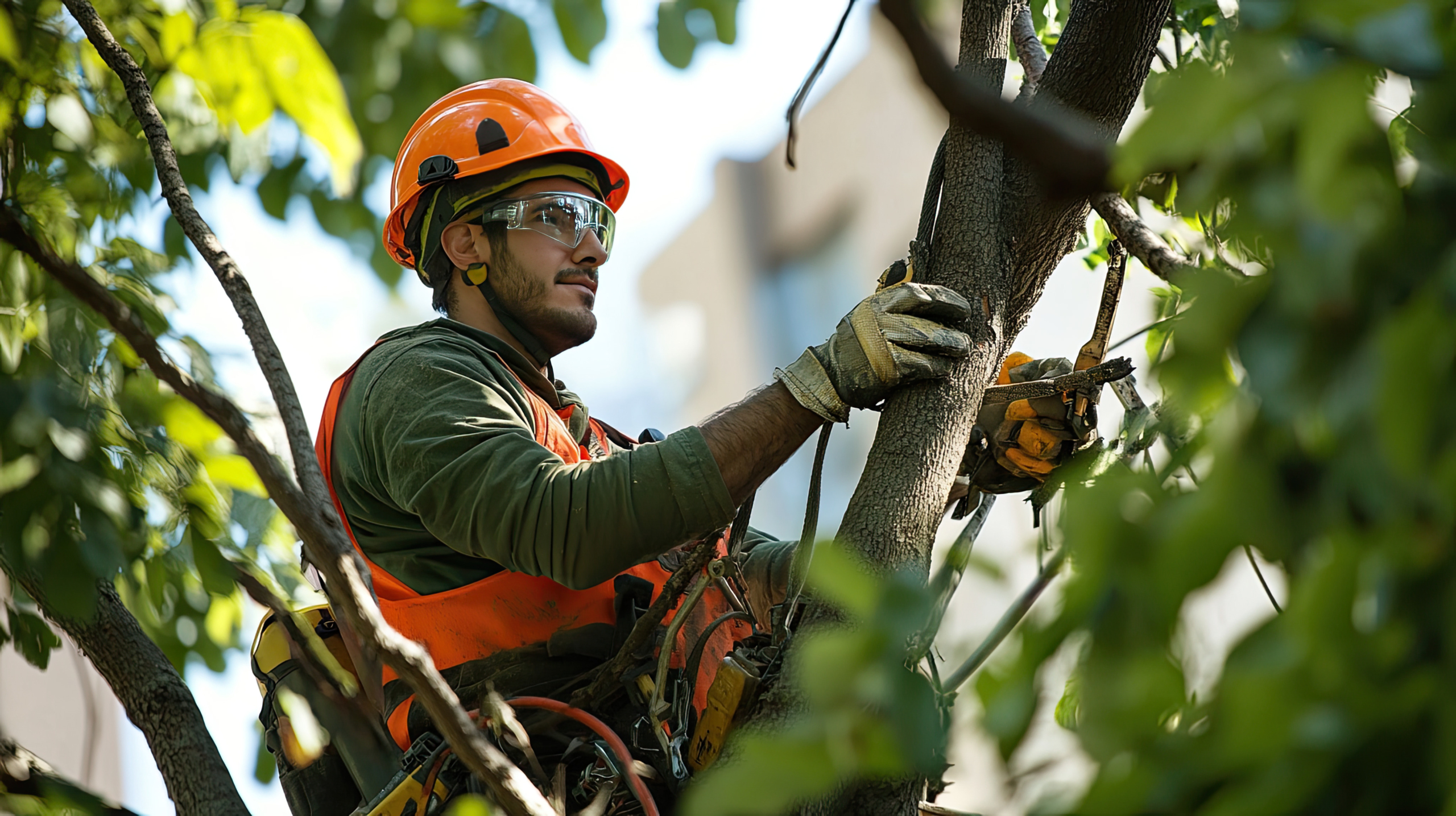
Tree lopping is the process of trimming or cutting back branches of a tree to maintain its structure, health, and safety. It involves the removal of branches, sometimes large ones, to improve the tree’s appearance and overall condition. This process is often confused with tree pruning, but lopping typically involves more substantial cuts, sometimes even removing large portions of the tree. Tree lopping can be done for various reasons, from enhancing the aesthetic appeal of a tree to preventing potential hazards caused by overgrown branches.
The Role of Tree Lopping in Maintaining Tree Health
Regular tree lopping plays a crucial role in maintaining the health of your trees. Over time, dead or diseased branches can accumulate, restricting airflow and blocking sunlight from reaching the healthy parts of the tree. By removing these branches through lopping, you help the tree focus its energy on the healthy sections, promoting more robust growth. Additionally, removing weak or damaged branches prevents the spread of disease, which can affect the entire tree. Lopping can also allow the tree to develop a more balanced shape, which further supports its long-term health.
Why Lopping Is Necessary for Certain Tree Types
Not all trees require lopping, but certain tree types benefit significantly from the process. For example, fast-growing trees or those that are prone to disease may need regular lopping to ensure that they remain healthy and structurally sound. Trees with dense canopies may also require lopping to allow light and air to reach the lower branches, promoting overall tree health. Furthermore, trees near structures, power lines, or other vulnerable areas often need professional lopping to ensure they don’t become a safety hazard.
Potential Risks of Neglecting Tree Lopping
Neglecting regular tree lopping can lead to various problems. Overgrown branches may become a safety risk, potentially causing damage to your property or the surrounding environment. Without regular maintenance, trees can also become more susceptible to pests and diseases, as weak or dead branches provide the perfect breeding ground for harmful organisms. Regular lopping ensures that your trees remain strong, healthy, and safe.
How Regular Tree Lopping Improves Tree Growth
Promoting Stronger, Healthier Growth
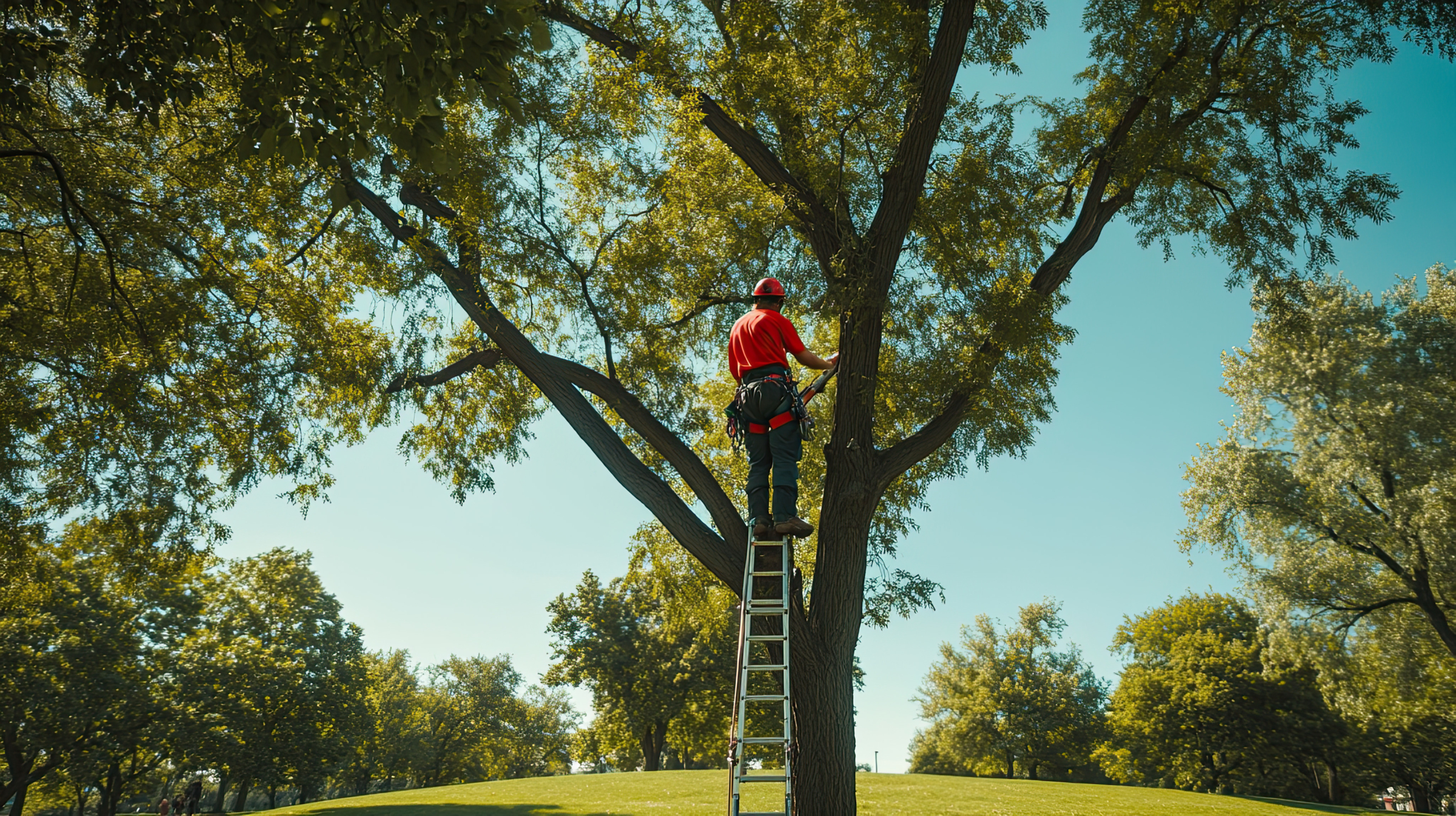
Regular tree lopping plays a vital role in encouraging the overall health and growth of a tree. By removing dead, diseased, or overgrown branches, you allow the tree to direct its energy into the healthy parts of the tree. This promotes stronger, more vibrant growth, especially in areas that might have been previously shaded or blocked by overgrown limbs. Removing excessive weight from certain parts of the tree helps balance its structure, leading to more even growth throughout the canopy. This is particularly important for trees that are growing too quickly, as it ensures they stay healthy and stable.
Enhancing Root Development
Tree lopping doesn’t just impact the branches above ground; it can also contribute to better root development. When branches are removed, the tree can better allocate its resources to strengthening its root system, which is crucial for long-term stability and health. By reducing the strain on the tree’s limbs, you give the roots the chance to grow deeper and stronger, providing better support for the entire tree. A well-developed root system is essential for a tree’s ability to withstand drought, pests, and other environmental challenges.
Improving Tree Structure and Shape
Through Specialist tree lopping for hazardous trees, arborists are able to strategically shape trees to improve their structural integrity. Lopping certain branches can prevent overcrowding and create a more balanced tree. By focusing on cutting back branches that pose a threat to the overall health or symmetry of the tree, professionals can ensure that the tree grows in a more controlled, aesthetically pleasing manner. Additionally, shaping the tree properly encourages better airflow and sunlight penetration, which further supports healthy growth.
Encouraging New Growth and Fruit Production
For fruit trees or trees in agricultural settings, regular lopping can encourage better fruit production. By removing older or unproductive branches, you stimulate the growth of new, fruitful branches that will produce more blooms and fruit. This is especially important in orchards or gardens where maximizing fruit yield is a priority. Healthy, well-maintained trees can bear more fruit and are less susceptible to diseases that might arise from neglect or poor maintenance.
Preventing Disease and Pest Infestation Through Tree Lopping
Removing Diseased or Damaged Branches
One of the most important reasons to regularly lop trees is to prevent the spread of disease. When branches become diseased or damaged, they can serve as a breeding ground for harmful bacteria, fungi, and insects that can spread to other parts of the tree. Efficient tree lopping for property clearing removes these affected parts, minimising the risk of infections spreading through the tree and potentially infecting nearby trees as well. Lopping ensures that the tree remains healthy and prevents the buildup of harmful organisms that could jeopardise its overall health.
Reducing the Risk of Pest Infestation
Trees that are left unmaintained with decaying branches or excessive foliage provide the perfect environment for pests like termites, beetles, and other wood-boring insects. These pests can cause significant damage to the tree and surrounding property. Regular tree lopping removes excess material that may attract pests, reducing the likelihood of infestations. By keeping trees in optimal shape, you discourage pests from nesting and spreading. This proactive approach helps protect both the tree and any nearby structures, ensuring long-term protection from destructive pests.
Preventing the Spread of Fungal Infections
Fungal diseases are common in trees that aren’t properly maintained. Without regular lopping, fungal infections can thrive in dead or decaying branches, eventually spreading to other parts of the tree or even infecting nearby trees. Lopping dead or dying branches removes the ideal habitat for fungi, reducing the risk of widespread infection. By removing these infected areas, you ensure the tree remains healthy and can continue to thrive without the threat of disease. This regular maintenance helps preserve the overall ecosystem and ensures that no tree becomes a vector for harmful fungi.
Maintaining Healthy Tree Canopies
Overgrown tree canopies often block airflow and prevent sunlight from reaching all areas of the tree. This lack of light and air circulation can create a breeding ground for mildew, mold, and fungi. Regular tree lopping opens up the canopy, allowing sunlight and air to flow freely through the tree, reducing moisture buildup and preventing the growth of mildew and mold. A well-maintained canopy promotes better overall health for the tree and prevents the growth of harmful pathogens that can damage it.
Safety and Property Protection Benefits of Tree Lopping
Preventing Hazardous Branches
One of the key benefits of regular tree lopping is preventing hazardous branches that can cause damage to your property or pose a danger to people. Trees near power lines, buildings, and walkways can have branches that, if left untrimmed, may break off during storms or high winds, leading to significant damage. Comprehensive tree lopping and reshaping services address these risks by carefully removing branches that are weak, overhanging, or growing in dangerous directions. This helps prevent accidents and property damage, ensuring the safety of both your home and the people around it.
Protecting Property from Falling Debris
Overgrown trees with large, heavy branches can become a threat during harsh weather conditions. Strong winds, storms, or heavy snow can cause these branches to break and fall onto your property, resulting in expensive repairs or even potential injuries. Regular lopping removes these weak branches before they can cause harm. By maintaining the tree’s structure and removing high-risk branches, professional arborists ensure that trees stay safe and manageable, even in severe weather conditions.
Tree Stability and Foundation Protection
Trees that are not regularly maintained can grow in ways that affect the stability of the surrounding ground, especially those located near the foundation of your home or other structures. Over time, untrimmed trees can cause root systems to push up against your foundation, creating cracks or shifting the soil. Expert tree lopping for hazardous trees can help manage these risks by lopping branches and trimming the tree’s root system, which prevents damage to your home’s foundation and surrounding infrastructure. Proper lopping ensures that trees grow in a way that doesn’t interfere with your property’s structural integrity.
Managing Trees Near Power Lines and Public Spaces
Trees growing near power lines or in public spaces can pose significant risks to the general public and local utilities. Regular tree lopping by a professional arborist ensures that trees don’t grow too close to power lines, reducing the risk of fires or power outages. Additionally, well-maintained trees in public spaces are safer for pedestrians, reducing the likelihood of accidents caused by falling branches. Trees near high-traffic areas benefit greatly from routine maintenance to ensure public safety and prevent costly disruptions.
The Aesthetic and Environmental Benefits of Regular Tree Lopping
Enhancing Property Aesthetics
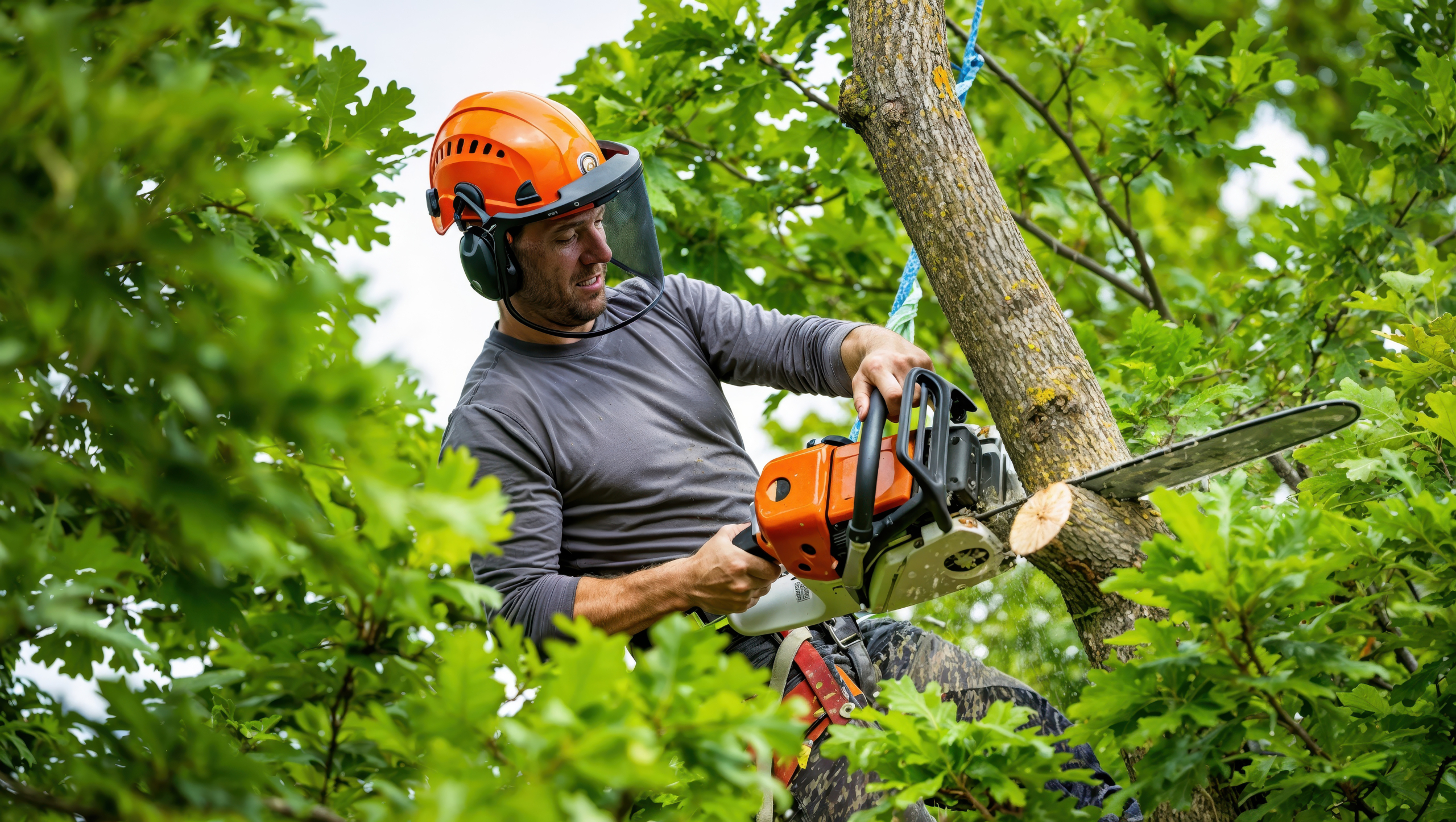
Regular tree lopping plays a significant role in improving the visual appeal of your property. Well-maintained trees can enhance the overall landscape by shaping them into a more balanced, attractive form. Expert tree lopping and branch removal can help manage the size and shape of trees, creating a more uniform and aesthetically pleasing look. Whether it’s creating a manicured look for your garden or simply ensuring that your trees are in harmony with other landscaping elements, tree lopping can dramatically boost the curb appeal of your property.
Promoting a Healthier Garden Environment
Proper tree lopping not only enhances the tree itself but also benefits the entire garden ecosystem. By removing unhealthy or overgrown branches, you allow more sunlight to reach the plants below. This improves the health of other plants and flowers, encouraging their growth. Additionally, removing decaying material from trees reduces the risk of fungal infections or pests that could harm surrounding vegetation. Regular tree lopping creates a healthier environment for your garden, helping all your plants thrive.
Increasing Property Value
A well-maintained garden, including well-lopped trees, can add considerable value to your property. Buyers are often drawn to properties with attractive, well-kept landscapes, and a professional lopped tree can create a sense of order and care. Trees that are in good shape also suggest that the property has been properly maintained, which can increase its market appeal. Regular tree lopping not only improves the visual appeal of your property but can also make it more desirable to potential buyers, ultimately boosting its value.
Supporting Biodiversity and Local Wildlife
Healthy, regularly lopped trees support local wildlife and promote biodiversity. By maintaining your trees, you create an environment where birds, insects, and small animals can thrive. Well-kept trees provide food, shelter, and nesting sites for various species, helping sustain the local ecosystem. Tree lopping can help ensure that trees continue to play a vital role in the environment, contributing to the balance of nature by supporting local wildlife.
The Final Word on the Health Benefits of Regular Tree Lopping
Is regular tree lopping the key to maintaining the health of your trees and property? As we’ve seen, tree lopping offers a range of long-term health benefits, from improved tree growth and disease prevention to enhanced safety and property protection. By investing in experienced tree lopping for landscape maintenance, you can ensure that your trees remain healthy, your property stays safe, and your landscape thrives. Contact Perth Arbor Services today to schedule your tree lopping service and keep your trees in optimal shape for years to come.